OSSM has launched a new research initiative focused on archaeobotany, the study of plant remains to better understand past environments and human activity.
Kelly Chaves, Ph.D., humanities professor, and Amy Roberson, Ph.D., biology professor, alongside a team of student researchers, are working to isolate phytoliths—microscopic structures formed when plants absorb acids from the soil. These structures strengthen living plants and remain in the soil long after they decompose, offering scientists valuable insight into historical vegetation patterns and past environments.
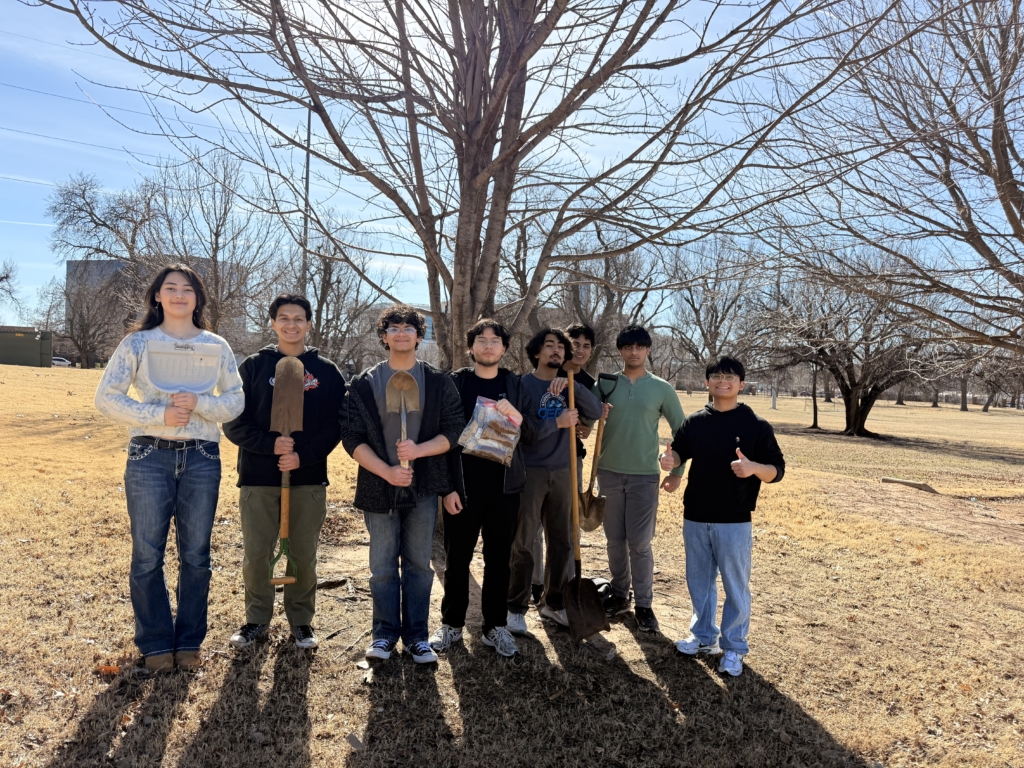
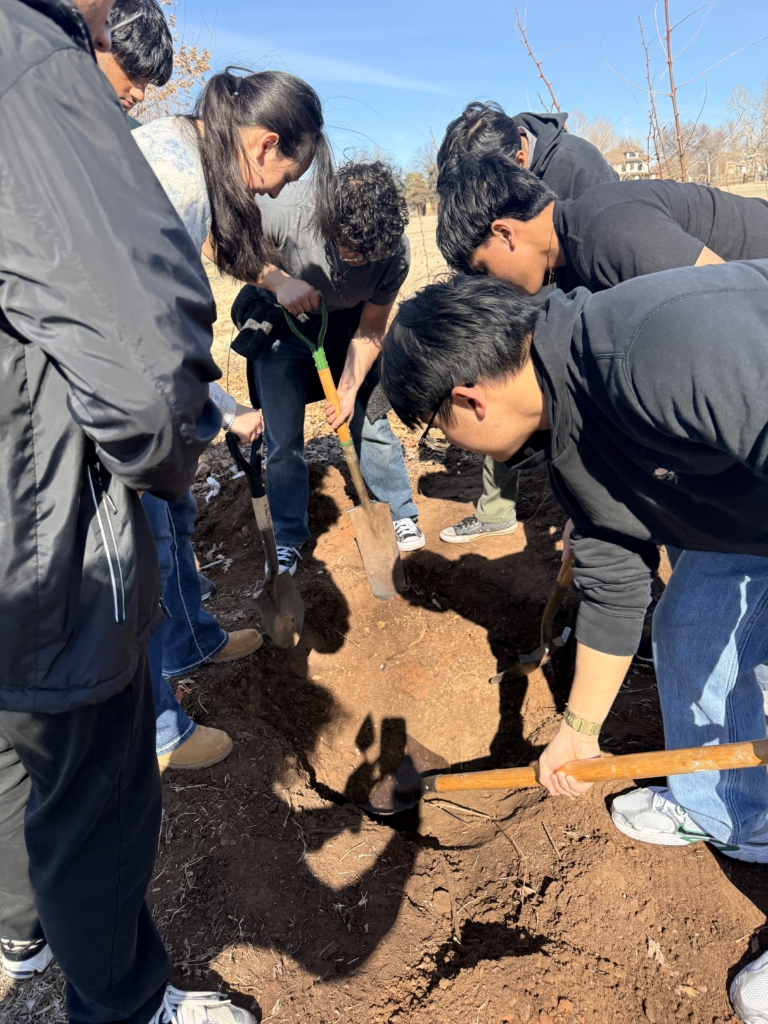
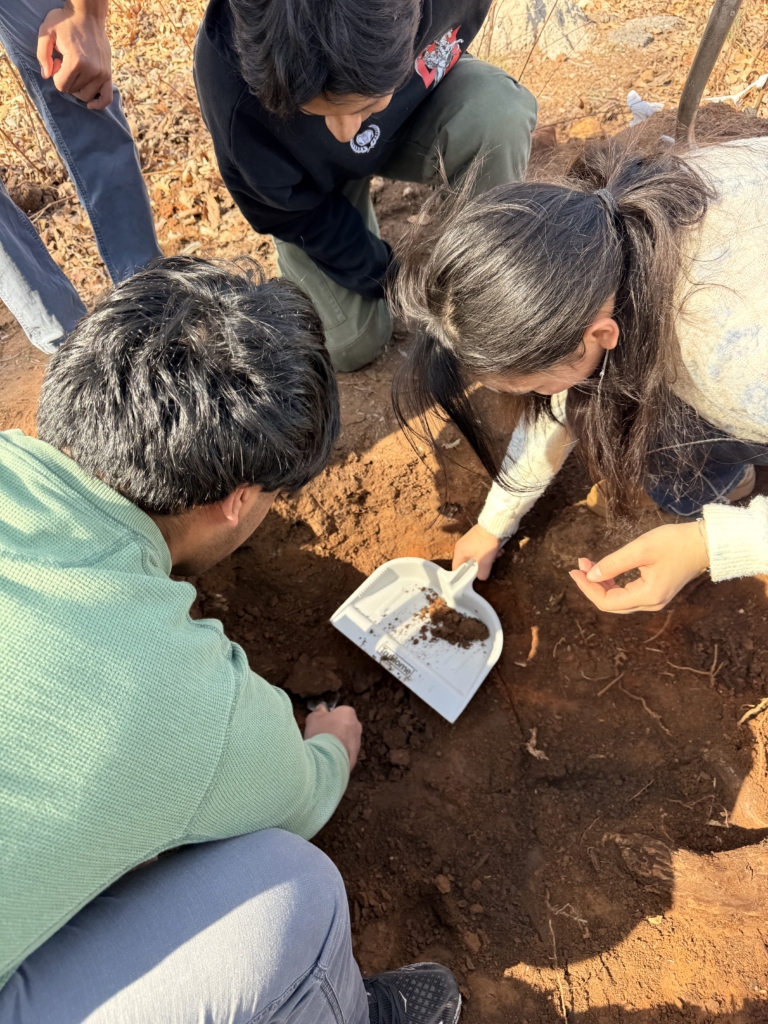
The project combines laboratory science with hands-on fieldwork. Student volunteers will soon begin collecting soil samples as part of the research effort and participate in isolating and analyzing phytoliths. These activities will give them firsthand experience in a specialized and emerging field of study.
Currently, no university in Oklahoma offers laboratory instruction in archaeobotany. “By establishing this process at OSSM, we are expanding opportunities for our students as well as laying the groundwork for phytolith research capacity within the state,” said Dr. Chaves. “It’s exciting to think our students may be building something that doesn’t yet exist in Oklahoma.”
Once the process is fully established, OSSM may become the only laboratory in the state to isolate and study phytoliths in-house—positioning the school at the forefront of archaeobotanical research in Oklahoma.
“This initiative reflects OSSM’s commitment to providing advanced, research-driven learning opportunities that connect classroom study with real-world scientific investigation,” said OSSM President Tony Cornforth.